

Education and National Progress in Pakistan
Pakistan’s future prosperity depends on strong learning systems that prepare confident, skilled citizens nationwide. Families increasingly recognize schooling as a pathway toward dignity, stability, and meaningful employment opportunities. Government initiatives expanded enrollments, yet quality differences remain across provinces and communities today. Urban campuses often receive resources faster, while remote institutions struggle maintaining consistent facilities. Balanced planning requires cooperation between ministries, educators, parents, and responsible media organizations. 24/7 Newschannel regularly highlights success stories, inspiring communities to support classrooms and teachers locally.And when children see relatable role models succeeding academically, motivation naturally increases inside households everywhere.So Investment in libraries, laboratories, and teacher development programs encourages innovation among young minds. A well guided education system strengthens civic awareness, social harmony, and economic resilience across generations.
Community Role in Learning Culture
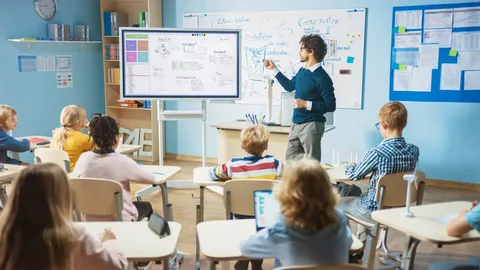
Local leadership greatly influences whether students continue schooling beyond primary levels, Because community guidance builds trust and motivation, but challenges still exist, so families stay engaged, and students remain committed consistently. Village committees can monitor attendance, reduce dropout risks, and encourage girls participation safely. Religious leaders and elders often persuade families about long term benefits of schooling.Cultural respect increases when discussions connect knowledge with everyday responsibilities and traditions. Parent teacher meetings create trust, allowing concerns about safety and curriculum addressed openly. Volunteer tutoring programs help weaker learners catch up without embarrassment or financial pressure. Youth clubs organize reading competitions, debates, and science fairs that build confidence gradually. Such collective involvement transforms classrooms into respected community spaces supporting lifelong curiosity.
Education Access in Rural Areas
Distance remains a significant barrier for many children living in mountainous and desert regions. Long travel times discourage attendance, particularly during extreme weather seasons each year. Mobile classrooms and transport stipends reduce burden on families facing economic constraints daily. Solar powered buildings provide lighting, enabling early morning and late afternoon learning schedules. Female staff recruitment encourages parents sending daughters comfortably without hesitation or fear. Partnerships with local artisans introduce practical skills alongside traditional academic subjects carefully. Radio lessons and offline digital content support continuity when internet coverage remains unreliable. Consistent monitoring ensures infrastructure remains functional and funds utilized transparently across districts.
Teachers Training and Support
Teachers shape attitudes more strongly than textbooks or examination systems ever could alone. Continuous professional workshops improve classroom management, assessment techniques, and inclusive teaching practices nationwide.So mentorship programs connect experienced instructors with beginners for guidance during challenging situations. Adequate salaries and timely payments increase motivation and reduce migration toward private sectors. Psychological support services help educators handle stress and maintain positive learning environments daily. Training in multilingual communication benefits diverse regions where several languages coexist naturally together. When instructors feel respected, students respond with discipline and active participation consistently.
Education Technology and Digital Classrooms
Digital tools now support blended learning models across cities and smaller towns gradually. Interactive boards, tablets, and recorded lectures enhance understanding for visual learners significantly. Careful implementation prevents distraction while promoting research skills and responsible online behavior. Offline servers store curriculum resources so bandwidth limitations never interrupt lessons completely. So Students learn coding basics, cybersecurity awareness, and data handling from early grades onward. Parents receive performance updates through messaging systems, strengthening accountability and cooperation regularly. Technology never replaces teachers; instead it amplifies guidance and creativity within classrooms effectively. Sustainable maintenance plans remain essential to avoid equipment deterioration after initial enthusiasm fades.
Curriculum Relevant to Jobs
Employers consistently request graduates possessing communication, teamwork, and problem solving abilities today.So updated syllabus integrate project work, internships, and entrepreneurship exposure during senior classes. Agricultural communities benefit from modules teaching water management and modern farming practices.And Urban students explore financial literacy, digital marketing basics, and responsible civic participation topics.Because career counseling sessions help teenagers choose realistic pathways aligned with strengths carefully. Collaboration with industry professionals ensures assessment standards reflect workplace expectations accurately.And Balanced emphasis on arts and sports nurtures creativity alongside technical competence.
Education Partnerships with Media and Industry
Media organizations can promote awareness campaigns encouraging enrollment and discouraging early marriages nationwide. Responsible reporting highlights innovative schools, scholarship opportunities, and teacher achievements frequently. Industrial partners provide apprenticeships, equipment donations, and guest lectures benefiting senior students greatly.So Universities collaborate with companies designing research projects solving local economic challenges effectively. Public recognition motivates sponsors supporting infrastructure improvements in underserved neighborhoods generously.So 24/7 Newschannel plans special segments guiding parents about admissions processes and scholarship deadlines annually. Shared responsibility creates a supportive ecosystem where young citizens prepare confidently for national development roles.
FAQs
1. Why is community participation important in schooling success?
Community support improves attendance, reduces dropout rates, and creates a safe learning environment.
2. How can rural students overcome distance challenges?
Transport stipends, mobile classrooms, and solar powered facilities help maintain consistent attendance.
3. Does technology replace teachers in classrooms?
No, digital tools assist instructors and improve understanding, but human guidance remains essential.
4. What skills should modern students focus on?
Communication, teamwork, digital literacy, and problem solving prepare learners for future employment opportunities.
Short URL: https://shafa.digimarketingtraining.com/?p=16


 Posted by dmclahore66
on Feb 11 2026. Filed under Education.
You can follow any responses to this entry through the RSS 2.0.
You can leave a response or trackback to this entry
Posted by dmclahore66
on Feb 11 2026. Filed under Education.
You can follow any responses to this entry through the RSS 2.0.
You can leave a response or trackback to this entry